
Imagine waking up to the gentle sound of water lapping against the shore, the rustling of leaves in the cool morning breeze, and the chorus of birds greeting the day. Camping by a dam offers a sensory experience that’s hard to replicate anywhere else.
The natural soundtrack that surrounds you, from the murmuring waters to the calls of wildlife, creates a soothing atmosphere that can melt away the stresses of everyday life. This connection to nature, facilitated through sound, helps people slow down, recharge, and rediscover peace in simplicity.
In this article, we will explore the auditory wonders of camping next to a dam and how nature’s sounds can promote deep relaxation, mindfulness, and a profound sense of well-being.
Water is one of nature’s most powerful and consistent sources of soothing sounds. The gentle lap of the dam’s waters against the shore or the sound of ripples breaking over submerged rocks creates a natural rhythm that can calm even the busiest mind. There’s something hypnotic about the repetitive yet ever-changing sound of water that helps to slow down our racing thoughts and induces a meditative state.
When camping by a dam, the proximity to water allows you to be enveloped in its sounds throughout the day. Whether it’s the gentle splash as a fish leaps or the soft trickle from a nearby stream feeding the dam, these sounds create a harmonious and peaceful environment.
To make the most of this calming effect, set up your camping spot close enough to the water to hear its movement clearly but not so close that the dampness becomes an issue. Falling asleep to the sound of water lapping at the shore is one of the most peaceful experiences you can have while camping.
The wind is another natural element that provides an ever-changing soundscape. When camping near a dam, especially one surrounded by trees or other foliage, the wind’s passage creates a symphony of soft rustles and sways. The sound of leaves fluttering in the breeze, branches creaking gently, and grass whispering across the ground adds to the feeling of being completely immersed in nature.
The wind can change moods throughout the day—at dawn, it might be a soft, delicate breeze that wakes the world gently, while in the late afternoon, it may pick up speed, creating a more dynamic rustling as it dances through the trees. Each shift in the wind’s intensity brings a different sensory experience, all of which contributes to a feeling of deep relaxation.
Like water, the sound of wind helps mask jarring or intrusive noises. The gentle rustling of leaves can promote relaxation by triggering memories of calm, peaceful places and signalling safety and tranquillity to the brain.
Consider camping under trees or near areas where the wind interacts with different natural elements to experience the full range of wind’s soundscape. A hammock swaying softly between two trees can be a perfect way to experience the wind’s gentle caress.
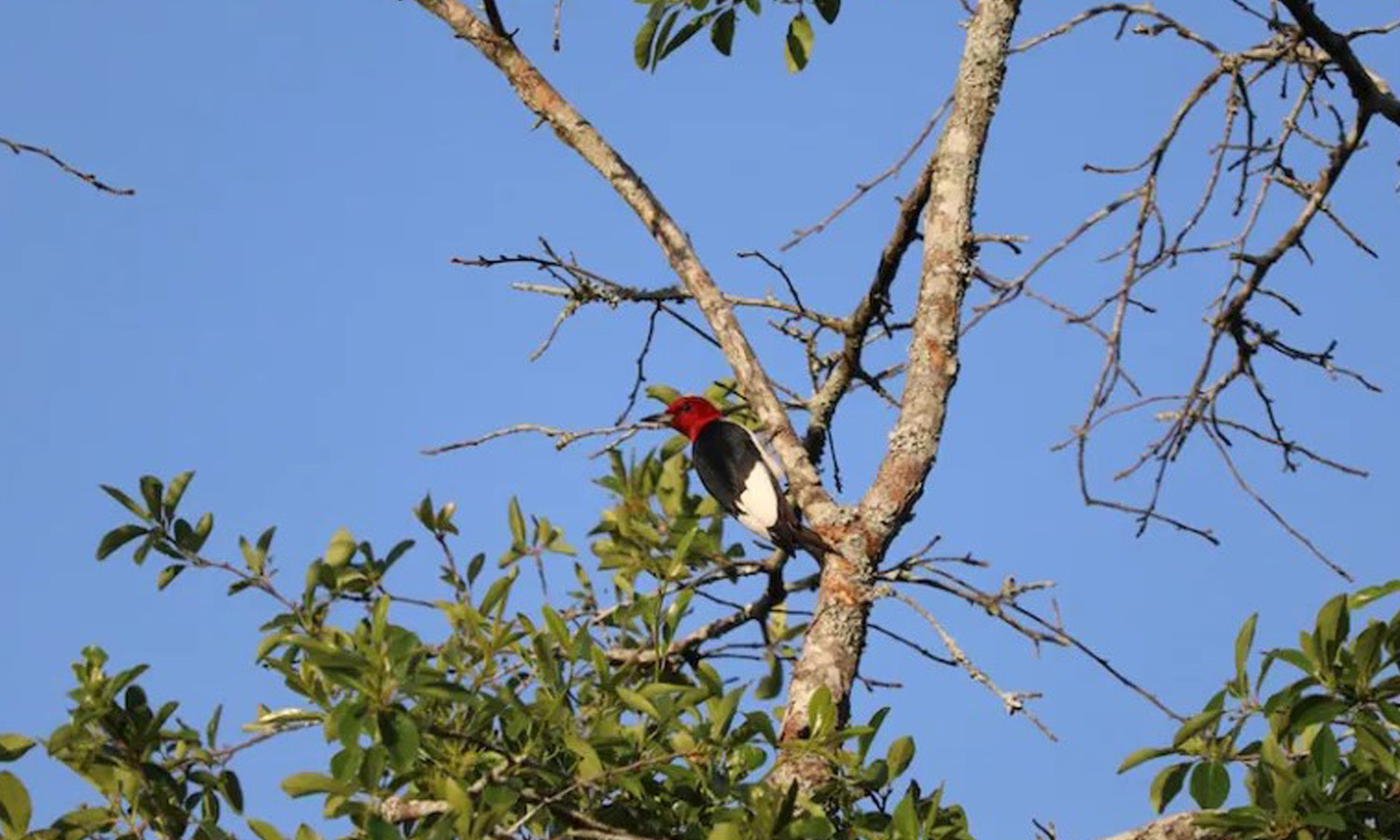
No camping trip near a dam would be complete without the calls of the birds that inhabit the area. Birds add a melodic layer to nature’s soundscape, from the early morning songbirds that herald the day to the distant calls of waterfowl gliding across the dam’s surface. Each bird’s call is unique, and together they create a symphony that is both lively and calming.
At dawn, you may hear the chirping of smaller birds as they begin their day, while at dusk, the more resonant calls of owls and other nocturnal birds take over, marking the transition from day to night. The varied tones and rhythms of these calls can be both mentally stimulating and soothing, encouraging you to remain present and appreciate the natural beauty around you.
If you’re interested in birdwatching or simply enjoying the sounds of birds, mornings are the best time to hear them in full force. Set aside some quiet time in the early hours to sit by the water and listen to the harmonious chorus of nature waking up.
Besides the prominent sounds of water, wind, and birds, camping near a dam brings you closer to the subtle sounds of wildlife going about their daily routines. Whether it’s the quiet rustling of a small mammal in the bushes, the croaking of frogs as the evening sets in, or the occasional splash of a fish breaking the water’s surface, these gentle noises add a layer of tranquillity to the environment.
Each sound serves as a reminder that you are a guest in nature’s home, surrounded by a thriving ecosystem that continues to hum along regardless of human presence. These sounds are soft and unobtrusive, yet they add to the feeling of being grounded and in tune with the natural world.
The unpredictability of wildlife sounds helps bring us into the present moment. We are more inclined to stop, listen, and focus on the environment when we hear these sounds, which can promote mindfulness and stress relief. Simply sitting quietly and attuning your ears to nature’s subtle cues can make a camping trip by a dam feel like a meditative retreat.
As the sun sets and the day winds down, the sounds of nature shift, but they don’t disappear. In fact, some of the most relaxing sounds can be heard at night when the hustle and bustle of the daytime animals fades, leaving behind the quieter, more rhythmic sounds of nocturnal creatures.
The soft chirping of crickets, the low croak of frogs, and the distant hoot of an owl create a unique, calming night-time soundtrack. If the dam is large enough, you might even hear the faint echo of water moving gently in the dark. These sounds, combined with the sight of stars reflected on the dam’s surface, can create an overwhelming sense of peace and connection to nature.
The quiet stillness of night, broken only by occasional natural sounds, helps promote deep relaxation and sleep. These soft night-time noises, much like a white noise machine, create a cocoon of calm, helping to drown out other distractions and soothe the mind before sleep.
To fully enjoy the night-time soundscape, avoid using artificial lights around your campsite, as they can disrupt the natural behaviour of wildlife.
Camping by a dam offers not just an escape from daily stresses but also a chance to reconnect with nature’s gentle, healing sounds-sounds that remind us to slow down and savour life’s simplest moments.
@ 2022 Copyright. Designed by
