Bush craft basics: Outdoor skills for South African campers at OppiDam
There’s something deeply satisfying about knowing you can survive, and thrive, in the great outdoors. Whether you’re camping at OppiDam for a weekend of peace or heading into the Barberton mountains for an adventure, learning a few bushcraft basics adds an entirely new layer of connection with nature.
South Africa is a land of wild beauty and ancient landscapes, and Vygeboom Dam is no exception. At OppiDam Resort, you’re perfectly placed to learn hands-on survival skills in a safe and accessible setting. Bush craft isn’t just about survival in emergencies – it’s about self-reliance, nature respect, and appreciating the simpler ways of life.
Here are some essential South African bush craft basics every camper should try.
Fire craft – the heart of the camp
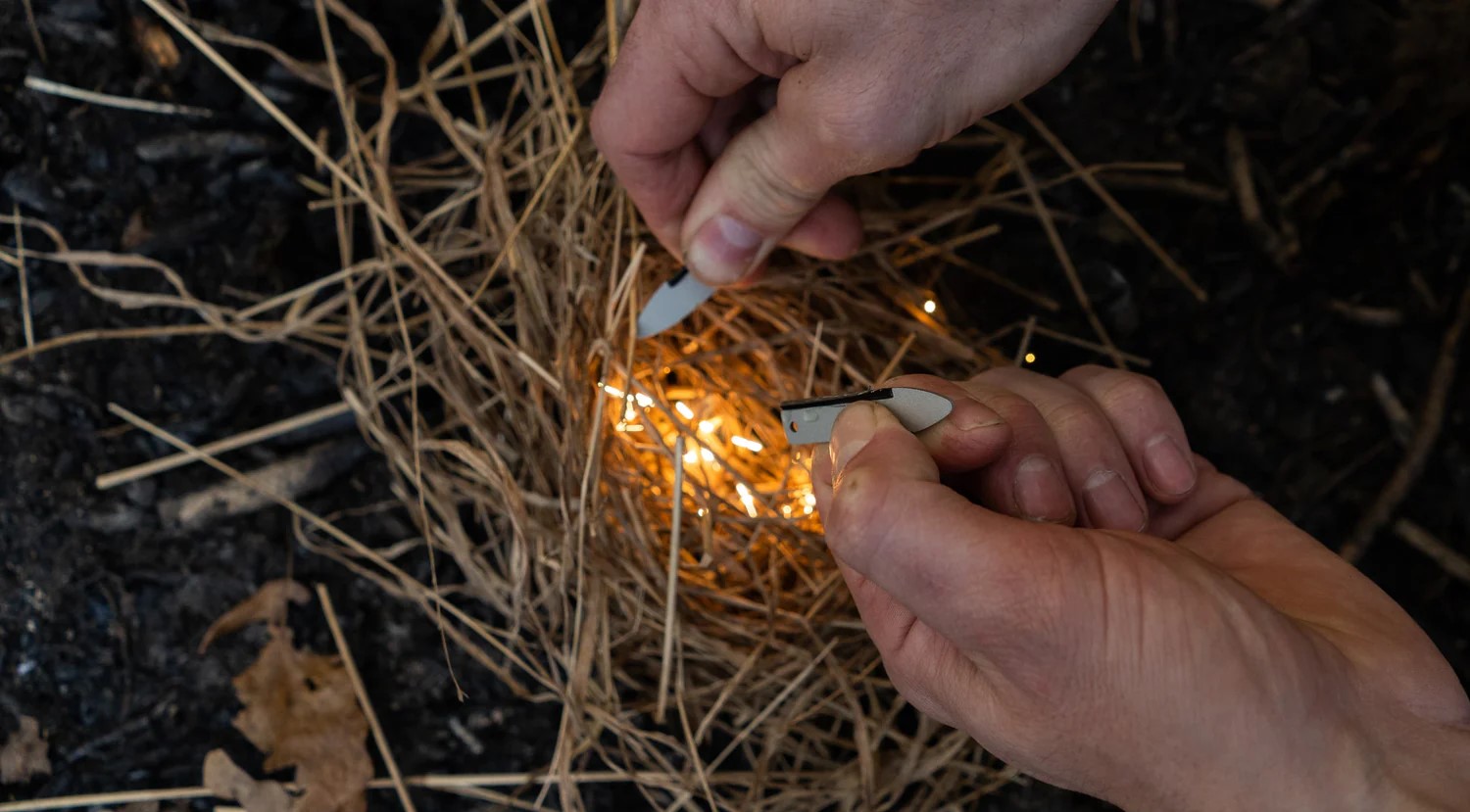
Knowing how to make a fire using natural resources is one of the oldest human skills. While you may not always need to light a fire without matches at OppiDam, it’s good to understand how it’s done without matches.
Local tips for fire making: • Tinder sources: In the surrounding environment, dry grasses, fine twigs, dry gum tree bark, or shaved bits of fatwood, from pine trees, work perfectly. • Natural fire starters: Use dried aloe leaves or eucalyptus bark. Both catch easily and burn hot. • Fire techniques to try: Practice building a teepee fire which is great for cooking, or a Dakota fire hole. This is a wind-resistant method useful in open veld areas.
It is very important to always check local fire regulations and never leave a fire unattended, especially in dry months. During the winter months, when the Lowveld veld turns into all shades of brown and grey, it is essential to ensure that you are very careful when building a fire. It can easily turn your camping experience into a disaster if you have a run-away fire.
Shelter building for shade, rain, or fun
South African sun can be unforgiving, even during the winter months. Learning to rig a simple shelter helps you protect yourself from heat or sudden summer storms.
Bush craft shelters to practice at OppiDam: • Tarp Shelter: Learn to tie a waterproof tarp between trees using basic knots like the taut-line hitch or bowline. • Bush debris shelter: Use fallen branches and dry leaves to create a shaded area. It can be a great activity to keep the children occupied and its it also lots of fun. • Shade from reeds: Reeds can be gathered and tied into panels for quick shading.
Water Sourcing and Purification
While OppiDam has clean, treated water, it’s vital to understand how to source and purify water in the bush if it is needed.
Simple water safety tips: • Boiling: Bring water to a rolling boil for at least 1 minute to ensure it is good for human assumption. • DIY filtration: Layer charcoal, sand, and gravel inside a plastic bottle or bark funnel to remove debris that could be in the water you want to use. • Solar still: Dig a hole, place a container inside, cover with plastic, and put a rock in the centre to collect condensation.
Bush knots
Being able to tie a proper knot is far more useful than it sounds.
Some must-know knots for South African campers: • Bowline – great for secure loops. • Figure-eight – for a stopper knot. • Taut-line hitch – perfect for tensioning lines on uneven terrain. • Square lash – for building structures like tripods or raised racks.
If you need to tie something together but do not have any rope, search in the veld for dried agave or wild aloe fibre. It can do the job just as well.
Edible and medicinal plants of the Lowveld
Bush craft includes knowledge of useful plants. The area around Vygeboom and Barberton is rich in traditional species.
Common Useful Plants: • Spekboom (Portulacaria afra): The leaves are edible that is rich with vitamin C. • Wild Garlic (Tulbaghia violacea): The leaves and bulbs can be used like chives and have mild insect-repellent qualities. • Aloe Ferox: Sap can be applied to burns or insect bites. • Bushman’s tea (Athrixia phylicoides): Used as a tea for colds or just a refreshing bush brew.
Avoid plants with milky sap unless you are absolutely sure they are safe as many can be toxic.
Animal awareness and safety
Being ‘bush-wise’ means understanding local wildlife.
Basic wildlife bush craft: • Track reading: Learn to identify local animal tracks. • Safe food storage: Keep food away from curious animals. Most of the camping sites usually warn you if there are monkeys or baboons in the vicinity that might cause a problem and raid your food supplies. • Snake safety: Watch your step when you walk in the veld, especially if the grass is dense and high. Make use of a walking stick to move vegetation.
Fishing bush craft with natural bait
Fishing is one of the oldest bush craft skills.
Try fishing with: • Locally-sourced bait, such as worms, insects, and mielies. • Bush rods: Use a flexible stick with tied line. • Handlining: Wrap line around a stick for manual casting.
Camp tools you can make
Bush craft encourages improvisation even without gear.
Try making these: • Tripod pot stand: Lash three branches together. • Wooden pegs: Whittle pegs from hardwood. • Cooking spit: Use green sticks for a fire spit.
Also keep in mind to break everything down afterwards and leave no trace behind when you leave.
Ethical bush craft - respecting the land
Bush craft is about working with nature.
Some guidelines to keep in mind: • Don’t damage living trees. • Use only fallen wood. • Don’t pick protected plants. • Minimize noise and clean up your site.
Conclusion
Bush craft at OppiDam is more than a hobby, it’s a rewarding way to slow down and rediscover the wild, wise traditions of our ancestors.
Whether building a shelter or crafting a walking stick, every skill becomes a meaningful bond with nature.
And there’s no better place to begin than right here at Vygeboom Dam.