
When planning a getaway to OppiDam Resort, at Vygeboom Dam, or any other resort in Mpumalanga, one of the first decisions you’ll need to make is how you want to stay: under canvas at a campsite or comfortably settled into a chalet.
At first glance, the choice may seem simple, but it can shape your entire holiday experience, from how you wake up in the morning to how you spend your evenings at the resort. Each option offers a different way to enjoy nature, and understanding the advantages and disadvantages of both can help you choose what suits you best.
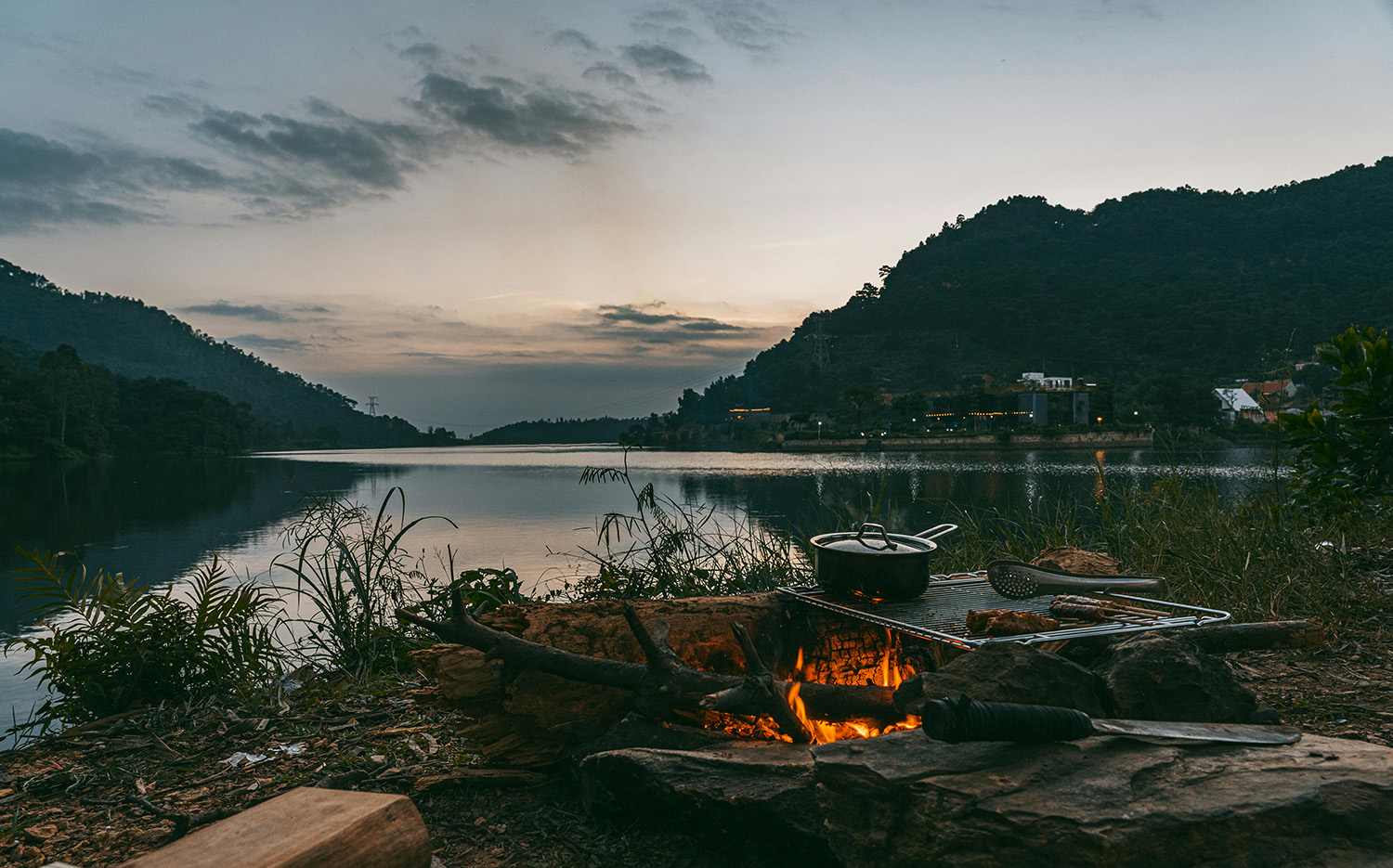
For many outdoor enthusiasts, camping is more than just accommodation, it’s a lifestyle. It’s about simplicity, freedom, and reconnecting with nature in a way that modern life rarely allows.
A deeper connection to nature
Camping places you right in the heart of the natural environment. Instead of hearing birds through a window, you hear them just outside your tent. You fall asleep to the gentle sounds of the wind through the trees and wake up with the first light of dawn reflecting off the dam. For many visitors, this closeness to nature is the biggest reason they choose to camp.
Budget-friendly for longer stays
Camping is generally the most affordable accommodation option at any resort and OppiDam is no exception. This makes it ideal for families, groups of friends, or anglers who want to spend several days fishing without worrying about the cost adding up too quickly.
Freedom and flexibility
With a campsite, you are in control of your routine. You can cook when you like, sit around the fire long after sunset, and structure your day around fishing, hiking, or simply relaxing. There’s no rigid schedule, just the natural rhythm of the outdoors.
A strong social atmosphere
Campgrounds often create a sense of community. It’s easy to chat with neighbours, share fishing tips, or exchange stories around a braai fire. For some, these spontaneous interactions become some of the most memorable parts of the trip.
Perfect for outdoor-focused holidays
If your main goal is to fish, paddle, swim, or explore, camping keeps you close to the action. You don’t have to pack up and walk far, you’re already living outdoors.
You’re at the mercy of the weather
Camping means dealing directly with the elements. Rain can turn the ground muddy, wind can test your tent’s stability, and cold nights can make sleeping uncomfortable. While good gear helps, weather always plays a role in the experience.
Less comfort and convenience
Even with a well-equipped setup, camping can’t match the comfort of a solid bed, proper bathroom, (not a shared ablution block) and indoor space. For people used to home comforts, this adjustment can take time.
Preparation and packing
Camping requires careful planning. You need to bring everything from your tent and bedding to cooking utensils, lighting, and food storage. Forgetting one essential item can quickly become frustrating.
Limited privacy
Campsites are shared spaces. During busy weekends or holiday periods, you may find yourself close to other campers, which can affect noise levels and personal space.
For visitors who love the outdoors but prefer a more relaxed and comfortable stay, chalets, huts or bungalows offer a perfect middle ground between nature and convenience.
Comfort after a long day outdoors
After hours of fishing, walking, or exploring, returning to a proper bed, a solid roof, and perhaps even electricity can make a big difference. You can relax in comfort without worrying about weather changes or tent maintenance.
Reliable shelter in any weather
South African weather can be unpredictable. Sudden summer storms or chilly winter evenings are far less of a concern when you’re staying in a chalet, hut or bungalow. You remain dry, warm, and protected no matter what the forecast says.
Ideal for families and multi-generational trips
Huts, chalets and bungalows provide a secure, enclosed space that works especially well for families with young children or older relatives. It simplifies logistics and gives everyone a shared, comfortable base.
Less equipment and stress
Packing for a self-catering chalet, hut or bungalow stay is far simpler than preparing for camping. Without the need for tents, mattresses, or cooking setups, your trip begins with less effort and fewer things to forget.
A good option for first-time visitors
If you’re new to nature-based holidays, chalets, huts and bungalows offer an easy introduction. You still enjoy the scenery, the dam, and the outdoor activities, but with the reassurance of familiar comforts.
Higher accommodation costs
Comfort comes at a price. Chalets, huts and bungalows are more expensive than campsites, which may influence how long you stay or how often you can visit.
A slightly reduced outdoor experience
While you’re still surrounded by nature, sleeping indoors creates a natural separation from the environment. You may not feel quite as immersed in the sounds and rhythms of the bush as you would in a tent.
Less spontaneity
Camping encourages a free-flowing, outdoor lifestyle. Staying in a chalet can sometimes feel more structured, as you tend to spend more time indoors, especially in the evenings.
Availability during peak seasons
Because they are in high demand, chalets, huts and bungalows often get booked out well in advance, particularly during school holidays and long weekends.
The right choice ultimately depends on what kind of holiday you want to have. If your idea of relaxation involves sitting around a campfire, cooking outdoors, and waking up with the sunrise, camping will likely feel more rewarding. It suits adventurous travelers, keen anglers, and anyone who enjoys a hands-on, nature-first experience.
If, however, you prefer a more laid-back holiday, where you can enjoy nature during the day but retreat to comfort in the evening, a chalet, hut or bungalow may be the better option.
Many visitors often choose both depending on where they want to go.
Many regular guests at OppiDam Resort as well as other resort in Mpumalanga don’t stick to just one type of accommodation. Some choose to camp during summer, when the weather is warm and outdoor living is easy, and then switch to chalets during winter when cold nights make camping less appealing.
Others alternate depending on the purpose of their trip, camping for fishing weekends with friends and booking a bungalow for family holidays.
This flexibility is part of what makes OppiDam such an appealing destination. You can tailor each visit to match your mood, your group, and the season as they offer a variety of accommodation options.
Both camping and staying in a chalet, hut or bungalow offer unique and memorable ways to experience the dam.
The good news is that you don’t have to choose just one. Many visitors find that trying both options over time gives them a fuller appreciation of what any resort has to offer.
@ 2022 Copyright. Designed by
