
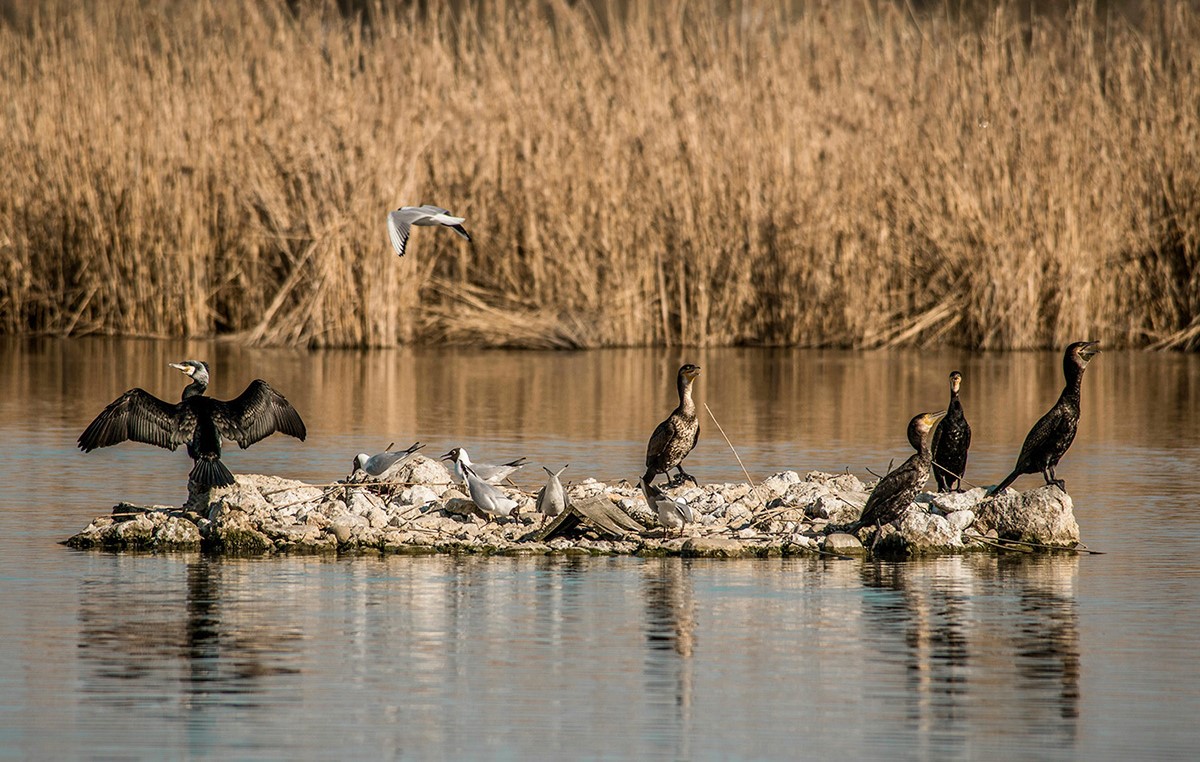
At first glance, a dam is simply a functional structure built to store water, support agriculture, or provide recreation. But spend a little time along the shoreline in the early morning or just before sunset, and a different story begins to unfold. Birds skim across the surface, insects hover in the reeds, and the quiet ripples hint at life beneath the water.
Over time, many dams, even those created purely for human use, begin to transform into thriving ecosystems. In fact, under the right conditions, they can become surprising biodiversity hotspots, attracting a wide range of wildlife.
So what is it about dams that draws animals to it?
In any landscape, especially in regions that experience seasonal rainfall or dry spells, water is the single most important resource for wildlife. Where water collects, life follows.
Man-made dams create permanent or semi-permanent water sources in places where natural rivers or wetlands may be scarce or inconsistent. This stability is key. Animals that might otherwise migrate long distances in search of water can now settle nearby, at least temporarily.
From mammals and reptiles to birds and insects, access to water means; water, food, shelter, and breeding sites. Even small farm dams have been shown to support a wide range of species by simply providing a reliable water source in modified landscapes.
When a dam is first constructed, it may appear sterile. Just a body of still water surrounded by bare soil. But nature rarely leaves such spaces untouched for long.
Over time, a process called ecological succession begins:
This gradual layering of life transforms a simple dam into a complex ecosystem. Research shows that well-established dams can provide feeding and breeding grounds for birds, amphibians, and water species, contributing significantly to local biodiversity.
One of the most important, and often overlooked, features of a dam is its shoreline.
This “edge zone,” where water meets land, is one of the richest habitats in nature. Known as an ecotone, it combines elements of both water and terrestrial ecosystems, creating ideal conditions for a wide variety of species.
Here you’ll often find:
Because of this overlap, the edges of dams can support far more species than either open water or dry land alone.
Dams don’t just provide water they create entire food chains.
It starts small with nutrient that accumulate that allow algae and plankton to flourish. Insects feed on these and then the fish feed on the insects. Finally, birds feed on the fish and other water species.
This layered food web is one of the reasons dams can quickly become wildlife hotspots. The more food available, the more species the ecosystem can support.
In some cases, even a modest increase in habitat diversity, such as the presence of a dam in farmland, can significantly boost species richness in an area.
Water bodies also provide refuge. For many species, dams create safe spaces to nest of breed, hide from predators and raise their young.
Birds, for example, often prefer nesting near water because it provides both food and visibility. Amphibians rely on still or slow-moving water to lay eggs. Even insects such as dragonflies depend on water environments during their life cycles.
In this way, a dam becomes not just a feeding ground, but a critical life-support system for multiple species.
One of the most important ecological roles of dams is their ability to create wetland-like environments. When water levels fluctuate or spill into surrounding areas, they form shallow zones, muddy edges, and seasonal pools, all of which are prime habitat for wildlife.
These wetland conditions are incredibly valuable because they support amphibians and water birds; encourage plant diversity; improve nutrient cycling; and provide breeding grounds for countless species.
Man-made dams, while different in scale and structure, can produce similar effects when conditions are right.
Dams also play an important role in seasonal wildlife patterns. During dry periods, they can become critical refuges drawing animals from surrounding areas. During wetter months, they may expand, creating temporary habitats that support breeding and migration.
This seasonal variation adds another layer of ecological richness as different species use the dam at different times of the year.
While dams can become biodiversity hotspots, it’s important to recognise that not all dams have positive ecological impacts.
Large-scale dams, especially those built on major rivers, can disrupt natural water flow and block fish migration. It can also alter sediment and nutrient cycles.
In fact, dams are considered one of the major contributors to declines in freshwater species globally due to habitat fragmentation and altered ecosystems.
However, smaller dams, particularly those that are less intensively managed, often have a very different story. In agricultural or rural landscapes, they can provide vital pockets of habitat where little natural water remains.
While large dams often dominate conversations around water and wildlife, smaller, more tranquil settings like OppiDam at Vygeboom Dam tell their own subtle story.
Here, the rhythm of nature is quieter, but no less meaningful. Early mornings often reveal water birds gliding across the surface, while the surrounding vegetation provides shelter for smaller species that are easy to overlook if you’re not paying attention. Insects hover above the water, reeds sway gently at the edges, and the occasional ripple hints at life below.
Following periods of good rainfall, like those experienced in recent months, dams such as Vygeboom Dam can become even more dynamic. Rising water levels expand the shoreline, creating temporary shallow zones that attract additional birdlife and aquatic species. These changing conditions can sometimes even allow unexpected visitors, such as fish, amphibians, or other wildlife, to move into the system from connected waterways.
Although Vygeboom Dam may not boast the large, visible wildlife associated with major reserves, its value lies in its quiet contribution to the local ecosystem. It serves as a reliable water source, a resting point, and a small but important habitat in a broader landscape where such resources are not always guaranteed.
For visitors, this offers something equally special: the chance to slow down and observe nature in its subtler form. Whether it’s the call of a fish eagle in the distance, the flash of a kingfisher diving, or simply the stillness of water at sunset, Vygeboom Dam reflects the same natural processes that turn dams into living ecosystems, just on a more intimate scale.
Next time you stand beside a dam, take a moment to look a little closer.
What may seem like a quiet stretch of water is often a bustling, interconnected world, alive with movement, interaction, and growth. From the smallest insect to the largest bird, each species plays a role in a system that has formed, quite remarkably, around something built by human hands.
Dams may begin as engineering projects, but over time, many become something far more meaningful: living landscapes where nature returns, adapts, and thrives.
@ 2022 Copyright. Designed by
