
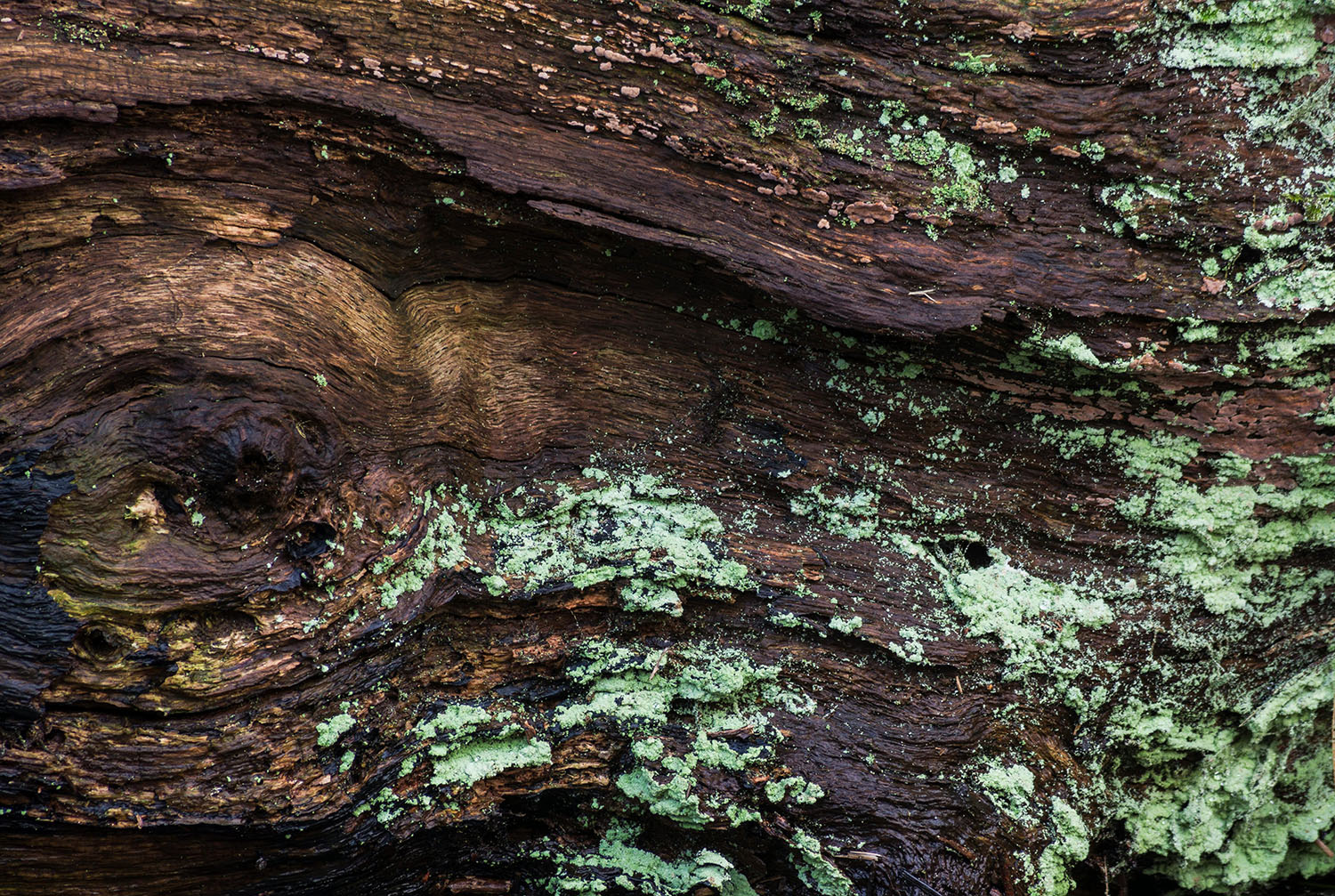
At OppiDam Resort, most visitors arrive with big expectations. Wide-open water, fishing lines cast at sunrise, braais under the trees, and the peaceful rhythm of the Lowveld settling in around them.
But look a little closer.
Step off the path, slow your pace, and lower your gaze to the rocks beneath your feet or the bark of a tree nearby. There, in plain sight yet so often overlooked, exists an entire world, quiet, intricate, and surprisingly alive.
Welcome to the micro-forests of OppiDam.
These tiny ecosystems, made up of lichen, moss, and other small plant life, are nature’s subtle masterpieces. They do not shout for attention like a flowering tree or a passing bird of prey. Instead, they reward those who pause long enough to notice.
Lichen is often the first thing you will see, though many people mistake it for moss. It appears as patches of grey, green, yellow, or even rusty red clinging to rocks and tree trunks. What makes lichen so fascinating is that it is not a single organism, but a partnership, an example of the symbiosis in action. A fungus and an alga (or cyanobacterium) live together, each contributing something essential for survival.
The fungus provides structure and protection, while the alga produces food through photosynthesis. Together, they form something entirely new, resilient enough to survive in conditions where few other life forms can.
Around OppiDam, you may notice different types of lichen depending on where you look. On sun-exposed rocks, they often appear crusty and flat, hugging the surface tightly. In shaded, damp areas, they can become more leaf-like or even slightly bushy in appearance. Their colours shift with moisture, dull and dry one moment, vibrant and alive after rain.
Moss, on the other hand, brings a softness to these miniature landscapes. Unlike lichen, moss is a true plant, forming dense green carpets in areas where moisture lingers, along the dam’s edge, beneath trees, or in the cracks of shaded rocks. After a rainy spell, these patches can look like tiny forests, complete with delicate stems and miniature “leaves.”
If you crouch down and take a closer look, the illusion becomes even stronger. What appears from above as a simple green patch transforms into a textured, layered environment. Tiny insects move through it. Droplets of water cling to its surface like morning dew in a full-sized forest. It is, in every sense, a scaled-down ecosystem.
These micro-forests play an important role in the environment. Moss helps retain moisture in the soil, reduces erosion, and creates a stable base for other plants to grow. Lichen, meanwhile, is often one of the first life forms to colonise bare rock. Over time, it helps break down the surface, contributing to the slow formation of soil.
They are also natural indicators of environmental health. Because lichen absorbs nutrients directly from the air, it is particularly sensitive to pollution. A thriving patch of lichen is often a quiet sign that the air around it is clean and balanced.
At OppiDam, where the natural surroundings remain largely undisturbed, these tiny ecosystems flourish.
Part of their magic lies in how easily they are missed. We are so used to looking at landscapes in broad strokes, the line of the hills, the stretch of water, the canopy of trees, that we forget to look down, or closer, or longer. In doing so, we overlook entire worlds existing right at our feet.
For families visiting OppiDam, this offers a wonderful opportunity for exploration. Children, especially, are naturally drawn to the small and detailed. A simple “lichen hunt” or moss exploration can turn into an afternoon of discovery. How many colours can you find? Which patches feel soft, and which are rough? What changes after rain?
It is also a gentle way to introduce the idea of interconnectedness in nature. These tiny systems remind us that life does not only exist in the obvious places. It thrives in cracks, on surfaces, in overlooked corners, quietly doing the work that keeps larger ecosystems functioning.
Photographers will find endless inspiration here as well. The textures, colours, and patterns of lichen and moss lend themselves beautifully to close-up photography. A smartphone camera is often enough to capture the detail. No special equipment required. Early morning light or the soft glow after rain tends to bring out the best in these scenes.
There is, however, one important rule: look, but do not disturb.
Lichen and moss grow slowly, sometimes taking years to establish what you see in a single patch. A careless step or curious hand can undo that growth in seconds. By simply observing and leaving them as you found them, you help preserve these micro-worlds for others to enjoy.
In many ways, these tiny ecosystems reflect the very spirit of OppiDam. They are quiet, unassuming, and deeply connected to their surroundings. They do not demand attention, but they offer something meaningful to those willing to slow down.
So next time you visit, take a moment.
Pause along a pathway. Sit on a rock. Look closely at the bark of a tree. You may find that the most fascinating part of your day is not the big catch or the wide view, but the small, intricate world you almost walked past without noticing.
@ 2022 Copyright. Designed by
